

Buying a home is one of the largest financial decisions most people will ever make. In Ontario, the process involves more than finding the right property and making an offer. There are legal requirements, title checks, and closing documents that must be handled correctly to protect your investment. This is where a lawyer for buying a house becomes essential.
Many first-time homebuyers assume a lawyer is only needed at the very end of the process, on closing day. In reality, involving a real estate lawyer early can prevent problems before they become expensive. From reviewing the agreement of purchase and sale to conducting a title search and handling the final transaction, your lawyer plays a critical role at multiple stages.
If you are buying a home in Ontario, understanding when to involve a lawyer helps you avoid surprises, protect your rights, and ensure the purchase goes through smoothly. The right legal guidance at the right time can save you thousands of dollars and weeks of stress.
Why You Need a Lawyer for Buying a House in Ontario
 In Ontario, it is not optional to use a lawyer when buying a home. A real estate lawyer is required to handle the legal transfer of the property. This is not just a formality. The lawyer ensures that the title is clean, the mortgage documents are correct, and the transaction is registered with the province.
A lawyer for buying a house protects you from risks that are not always visible to the buyer. The Real Estate Council of Ontario provides consumer protection resources for homebuyers that explain the risks of undisclosed liens, title fraud, and zoning violations. Without a lawyer reviewing these details, you could inherit someone else’s legal problem along with the property.
The lawyer also acts as the neutral party who handles the flow of funds on closing day. Your deposit, the mortgage advance from your lender, and the final payment to the seller all pass through the lawyer’s trust account. This ensures the money moves correctly and the title transfers only when the funds are confirmed.
Before You Make an Offer
One of the most valuable times to involve a real estate lawyer is before you make an offer. The agreement of purchase and sale is a binding contract, and the terms you agree to in that document shape the entire transaction.
A lawyer can review the offer before you sign it and identify clauses that could create problems. These might include conditions that are too narrow to protect you, deadlines that are unrealistic, or terms that give the seller too much flexibility. For first-time homebuyers, this review is especially important because the standard form offer contains legal language that is not always easy to interpret.
Your lawyer can also recommend conditions to include in the offer. Common protective conditions include financing, home inspection, and status certificate review for condominium purchases. These conditions give you a way out of the deal if something is discovered during the due diligence period.
Involving a lawyer at this stage does not slow down the process. It ensures that when you do sign the offer, you understand exactly what you are committing to and you have the protections you need in place.
During the Due Diligence Period
Once your offer is accepted, the due diligence period begins. This is the time between acceptance and closing when the legal work happens behind the scenes. Your lawyer for buying a house handles several critical tasks during this window.
The title search is one of the most important. Your lawyer searches the public records to confirm that the seller has the legal right to transfer the property and that there are no claims, liens, or encumbrances attached to the title. If the search reveals an issue, your lawyer works to resolve it before closing.
Your lawyer also reviews the property description and any easements or rights of way that affect the land. An easement might give a neighbour the right to use part of your driveway, or a utility company the right to access buried lines. These are not necessarily problems, but you need to know about them before you own the property.
For condominium purchases, your lawyer reviews the status certificate. This document reveals the financial health of the condo corporation, any pending legal actions, and the reserve fund. A poorly managed condo corporation can lead to special assessments that cost you thousands, and the status certificate is your window into that risk.
Handling the Mortgage and Closing Documents
Your lawyer for buying a house coordinates with your lender to prepare the mortgage documents. The lender sends the mortgage instructions to your lawyer, who ensures the documents are signed correctly and that the mortgage is registered against the property on closing.
This coordination is more complex than it sounds. If the mortgage terms do not match what you agreed to with the lender, your lawyer catches the discrepancy before it becomes a problem. If there are conditions attached to the mortgage that need to be met before closing, your lawyer tracks those and confirms they are satisfied.
On closing day, your lawyer receives the mortgage funds from the lender, combines them with your down payment, and sends the total to the seller’s lawyer. Once the seller’s lawyer confirms receipt, the keys are released, and the title is registered in your name. This entire flow is managed by your lawyer, which is why a reliable legal team matters.
After Closing: Title Transfer and Final Documents
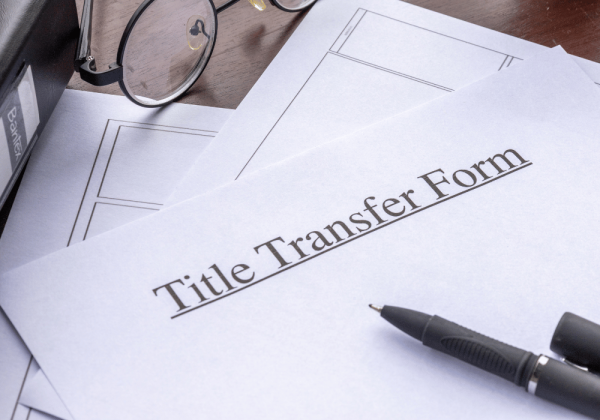 The lawyer’s work does not end on closing day. After the transaction closes, your lawyer registers the transfer of title with the Ontario land registry. This is the legal step that makes you the official owner of the property in the public record.
Your lawyer also provides you with a final report that includes the title insurance policy, the registered deed, and a summary of all costs. This report is your record of the transaction and should be kept with your important documents.
If any issues arise after closing, such as an unexpected lien that was not caught in the title search, your lawyer is your first point of contact. Title insurance, which your lawyer helps you obtain, covers many post-closing surprises and is a standard part of the purchase process in Ontario.
Choosing the Right Real Estate Lawyer
Not all lawyers have the same level of experience with real estate transactions. When choosing a lawyer for buying a house, look for a firm that handles residential real estate regularly and is familiar with the local market. A lawyer who works in Southwestern Ontario understands the specific requirements and common issues that arise in this region.
Nesbitt Coulter LLP provides real estate legal services for homebuyers in Woodstock, Ingersoll, and across Southwestern Ontario. Their team handles title searches, agreement reviews, mortgage coordination, and closing for residential purchases.
If you are planning to buy a home and want legal guidance from the start, contact the Nesbitt Coulter LLP team to discuss your purchase and how they can help.
FAQs
When should I first contact a real estate lawyer when buying a home?
The best time is before you make an offer. A lawyer can review the agreement of purchase and sale, recommend protective conditions, and identify any clauses that could create problems. Involving a lawyer early ensures you understand the contract before you sign it, which is far less expensive than trying to fix issues after the offer is accepted.
What does a real estate lawyer do on closing day?
On closing day, your lawyer receives the mortgage funds from your lender, combines them with your down payment, and sends the total payment to the seller’s lawyer. Once the payment is confirmed, the keys are released, and the title is registered in your name. Your lawyer manages this entire flow to ensure the transaction closes correctly.
Is title insurance necessary when buying a home in Ontario?
Title insurance is not legally required, but it is strongly recommended. It protects you from issues that may not be caught in a title search, such as title fraud, undisclosed liens, or errors in the property description. Your lawyer helps you obtain a title insurance policy as part of the closing process, and it provides coverage for as long as you own the home.