
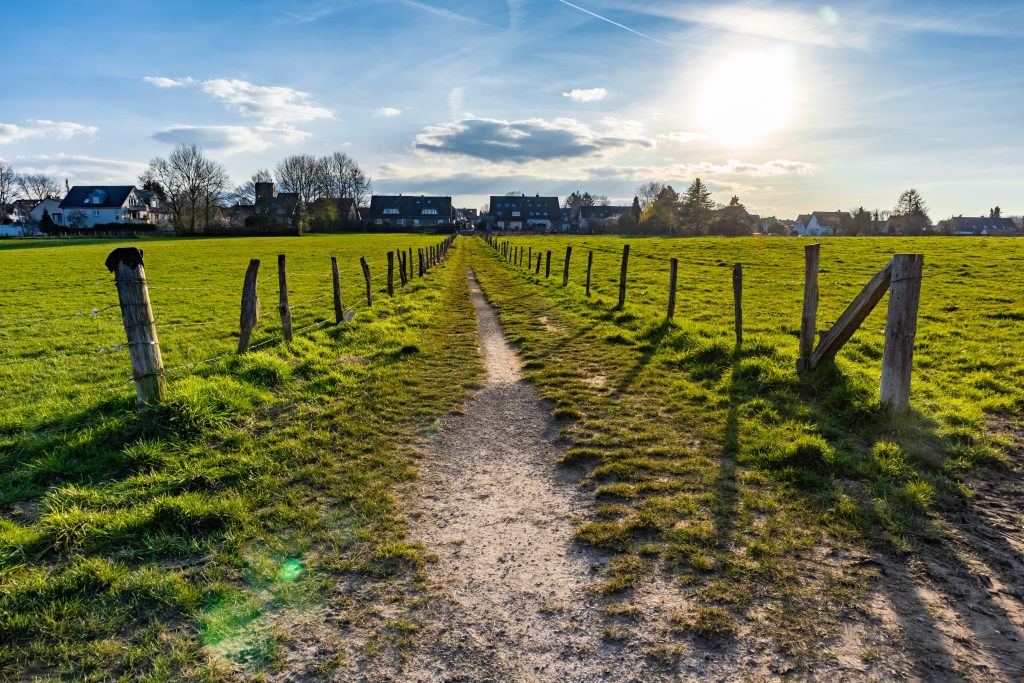
Property ownership often comes with a sense of security and stability. However, disagreements over property lines, access rights, fences, easements, and land use can quickly create tension between neighbors. These issues are more common than many homeowners realize and can become increasingly complicated when documentation is unclear or assumptions have been made over many years.
A property boundary dispute resolution process helps property owners determine where legal boundaries exist and what options are available when disagreements arise. While some disputes can be resolved through communication and negotiation, others require professional legal guidance to protect ownership rights and achieve a fair outcome.
Understanding the causes of property boundary disputes and the steps available to address them can help property owners make informed decisions when issues arise.
Understanding property boundary disputes
A property boundary dispute occurs when neighboring property owners disagree about the location of a property line or the use of land near that boundary.
These disagreements may involve:
- Fence placement
- Driveway encroachments
- Landscaping features
- Tree placement
- Structures built near a property line
- Access routes crossing another property
- Conflicting survey information
Many disputes develop gradually. A fence may have been installed years ago without a survey. A previous owner may have allowed a neighbor to use part of the property informally. Over time, assumptions can replace documented property boundaries.
When ownership questions arise, resolving the issue often begins with determining the legal boundary.
Why boundary disputes can become complicated
Property boundaries are not always obvious from what is visible on the ground.
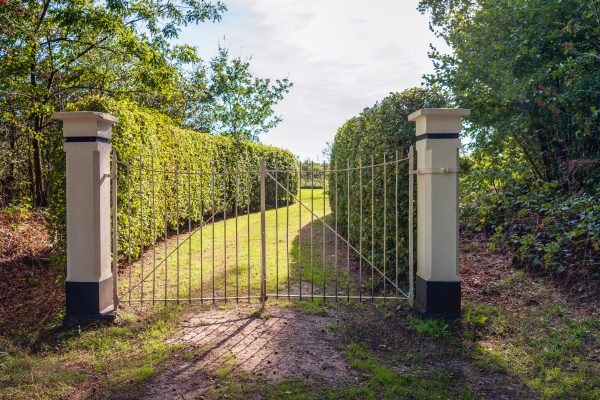
While fences, hedges, and driveways often appear to define ownership, they do not necessarily reflect legal property lines.
Several factors can complicate disputes.
Outdated surveys
Property surveys may be decades old. In some cases, original markers are no longer visible or existing records may not address current concerns.
Changes made by previous owners
Prior owners may have installed structures or landscaping without confirming property lines.
Conflicting interpretations
Neighbors may review the same documents and reach different conclusions regarding ownership rights.
Long-term use of land
When someone has used a portion of land for many years, questions can arise regarding legal rights and expectations.
Because every property has unique circumstances, resolving disputes often requires a careful review of documents and evidence.
Common causes of property boundary disputes
Certain situations frequently lead to disagreements between neighboring property owners.
Fence location disagreements
Fences are among the most common sources of conflict.
Questions often arise regarding:
- Whether a fence is located on the property line
- Responsibility for maintenance
- Permission for replacement or removal
- Encroachment onto neighboring property
Encroaching structures
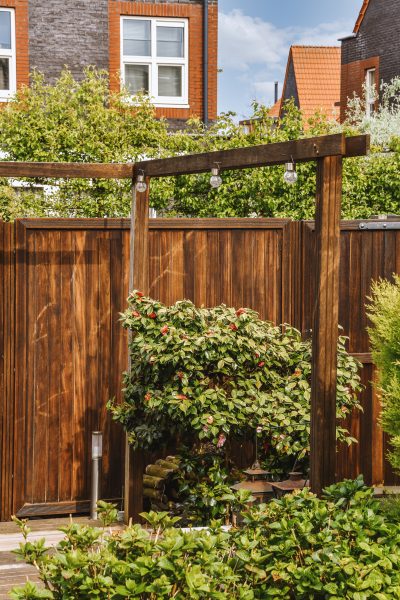
Sheds, garages, decks, retaining walls, and other structures can sometimes extend beyond legal property boundaries.
When this occurs, property owners may disagree about removal, compensation, or future use.
Tree and vegetation issues
Trees located near property lines can create disputes regarding ownership, maintenance, and responsibility for damage.
Driveways and access routes
Shared driveways or informal access arrangements can become contentious when ownership changes or relationships deteriorate.
Easement concerns
Property owners sometimes discover registered easements affecting how land can be used.
Disputes may arise when one party believes another is exceeding the rights granted by the easement.
The role of surveys in property boundary disputes
A land survey is often one of the most important pieces of evidence in a boundary dispute.
Professional surveyors use legal descriptions, historical records, and physical measurements to determine property boundaries.
A survey can help:
- Confirm legal property lines
- Identify encroachments
- Clarify ownership concerns
- Support negotiations between parties
While a survey does not always resolve a dispute on its own, it frequently provides the foundation for productive discussions.
Property boundary dispute resolution options
Not every disagreement requires court intervention.
In many situations, practical solutions can be reached before legal proceedings become necessary.
Direct communication
Open communication is often the first step.
Property owners who discuss concerns early may be able to identify solutions before positions become entrenched.
Negotiated agreements
Neighbors sometimes reach agreements regarding:
- Fence relocation
- Shared maintenance obligations
- Access arrangements
- Boundary adjustments
Formalizing these agreements in writing can help prevent future misunderstandings.
Mediation
Mediation involves a neutral third party who helps facilitate discussion and identify mutually acceptable solutions.
Mediation can often preserve neighbor relationships while reducing costs and delays.
Legal negotiation
When discussions become difficult, legal counsel can assist by reviewing documentation, assessing rights, and negotiating on behalf of property owners.
Court proceedings
Some disputes ultimately require judicial determination when parties cannot agree on ownership rights or land use.
Court proceedings are typically viewed as a last resort after other options have been considered.
Why acting early can make a difference
Many property disputes become more expensive and stressful when left unresolved.
Early action can help:
- Preserve evidence
- Clarify ownership rights
- Prevent misunderstandings from escalating
- Identify practical settlement options
Waiting too long may reduce opportunities for cooperative solutions and increase the likelihood of formal legal proceedings.
Documents that may help resolve a dispute
Property owners facing a boundary issue should gather relevant documentation whenever possible.
Useful documents often include:
- Property surveys
- Deeds and transfer documents
- Title records
- Municipal records
- Easement agreements
- Historical photographs
- Correspondence between property owners
These materials can help establish facts and support resolution efforts.
How legal guidance can assist property owners
Real estate disputes often involve technical documentation, legal principles, and competing interpretations of ownership rights.
Legal guidance can assist with:
Reviewing property records
Lawyers can examine surveys, title documents, easements, and other records to identify relevant issues.
Assessing legal rights
Understanding legal rights and obligations helps property owners make informed decisions.
Negotiating resolutions
Many disputes are resolved through negotiation rather than litigation.
Representing clients in formal proceedings
When disputes cannot be resolved informally, legal representation may be necessary to protect ownership interests.
Property owners dealing with boundary concerns or other real estate matters often benefit from obtaining advice from professionals experienced in real estate law and property-related disputes.
Protecting your property interests
Property disputes can be frustrating and emotionally challenging, particularly when neighbors are involved.
The good news is that many disagreements can be resolved through communication, documentation review, negotiation, or mediation. When legal issues become more complex, professional guidance can help clarify options and protect your interests.
If you are dealing with a property boundary disagreement, easement issue, title concern, or another real estate matter, seeking legal advice early can provide greater clarity and help you move toward a practical resolution.
For property owners facing ongoing concerns, contacting a legal professional can be an effective first step toward understanding rights and identifying appropriate solutions.
FAQs
What is property boundary dispute resolution?
Property boundary dispute resolution involves determining legal property boundaries and addressing disagreements between neighboring property owners through negotiation, mediation, legal review, or court proceedings.
How can I determine my property line in Ontario?
A professional land survey is often the most reliable way to identify legal property boundaries and confirm ownership limits.
Can a fence determine a property boundary?
Not necessarily. A fence may not accurately reflect the legal property line. Ownership is generally determined by legal descriptions and survey evidence.
Do all boundary disputes go to court?
No. Many disputes are resolved through communication, negotiation, mediation, or legal settlement before court proceedings become necessary.
When should I contact a lawyer about a property dispute?
It is often beneficial to seek legal advice when ownership rights are unclear, negotiations have stalled, or significant property interests may be affected.